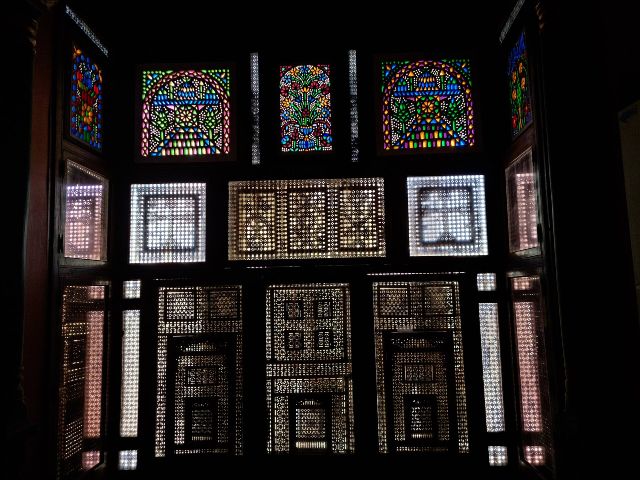
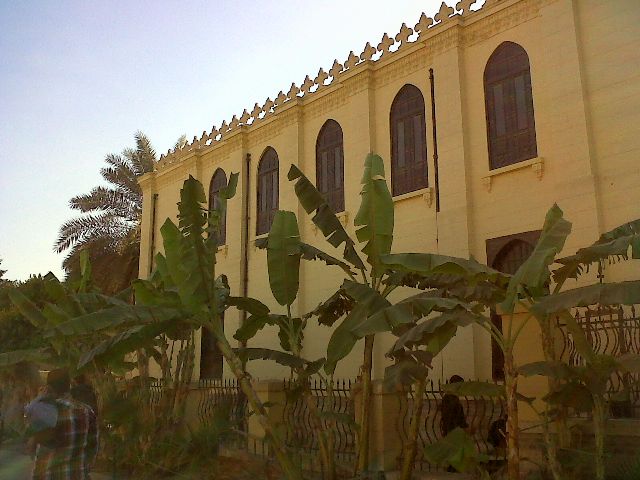
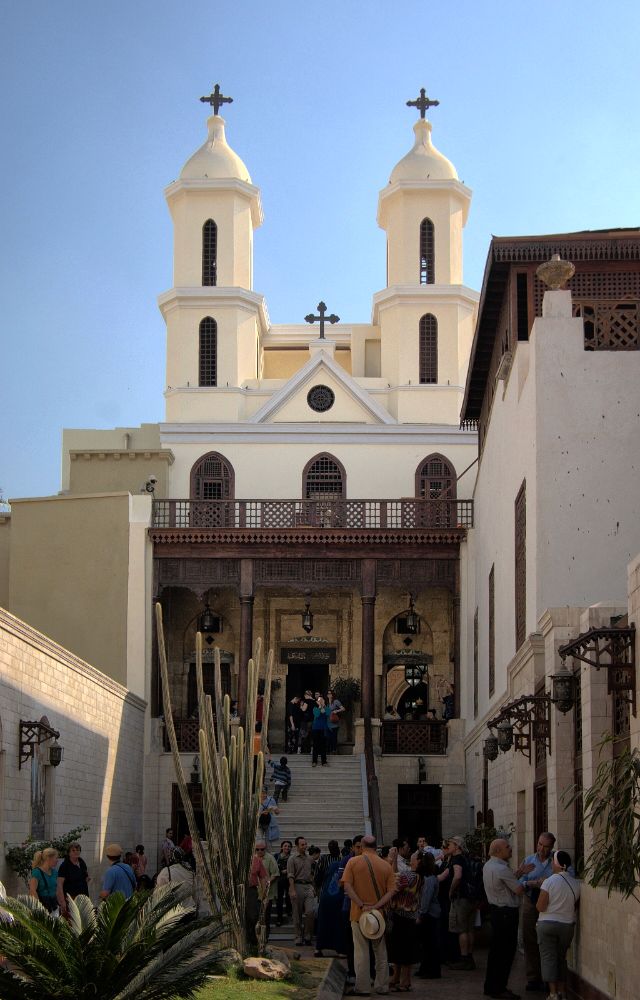
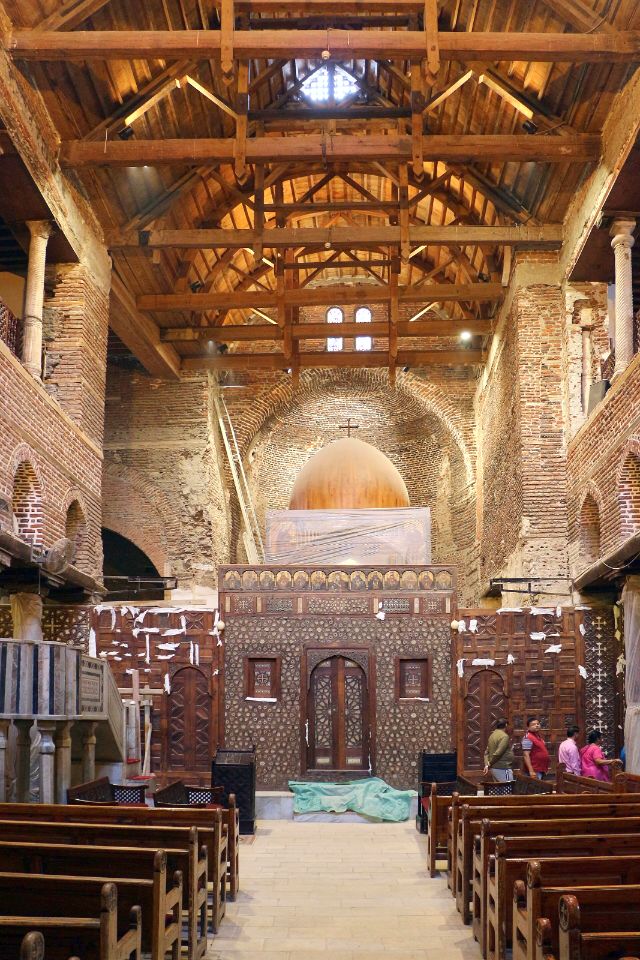
Placeholder — replace with a photo from the visit
Museum · Coptic
Coptic Museum and Old Cairo
Layers of faith and art inside old Babylon
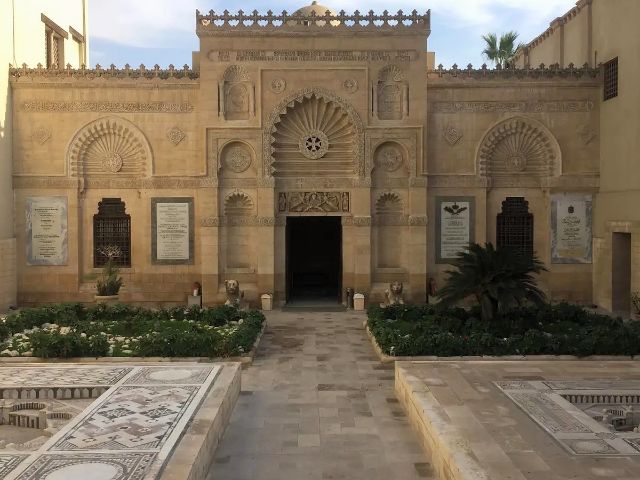
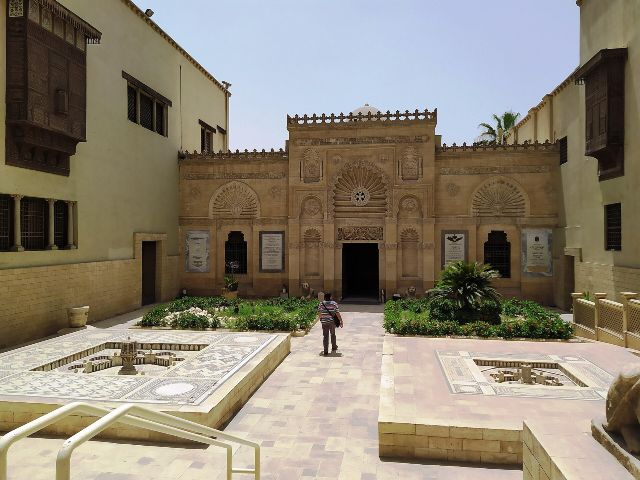
Within the Roman fortress of Babylon, the Coptic Museum holds one of the world’s richest collections of Coptic art, while the Hanging Church, Abu Serga, Ben Ezra Synagogue and other Old Cairo landmarks sit steps away.
About this place
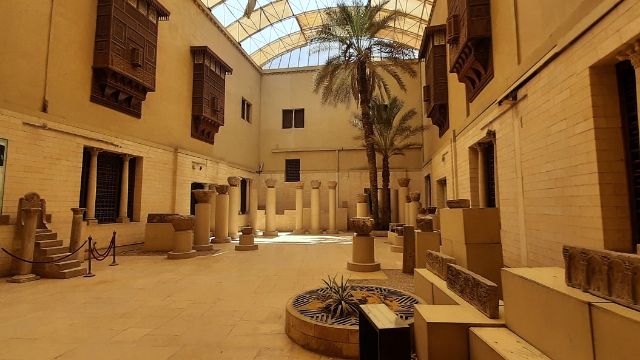
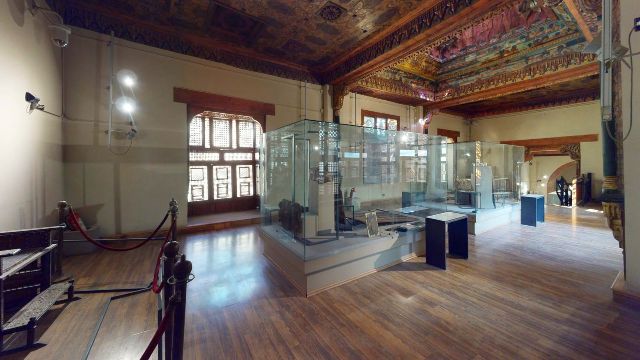
Founded by Marcus Simaika and opened in 1910, the museum displays stonework, carved wood, icons, manuscripts and textiles tracing Christian art in Egypt. Its position inside the Roman fortress of Babylon makes the setting part of the visit.
After the museum, continue on foot to the Hanging Church, Abu Serga and Ben Ezra Synagogue, turning one museum stop into a neighbourhood journey.
Within a small area, you can trace Egypt across religions, periods and artistic traditions, then step outside into the monuments that formed that story.
Visitor information
- Opening hours
- Sunday — 09:00 – 17:00
Monday — 09:00 – 17:00
Tuesday — 09:00 – 17:00
Wednesday — 09:00 – 17:00
Thursday — 09:00 – 17:00
Friday — 09:00 – 17:00
Saturday — 09:00 – 17:00 - Payment
- Card
- Amenities
- Toilets · Guides
| Tickets | Price | Checked |
|---|---|---|
| Egyptian | 20 | 2026-09-06 |
| Egyptian student | 10 | 2026-09-06 |
| Foreign | 280 | 2026-09-06 |
| Foreign student | 140 | 2026-09-06 |
Highlights
- Coptic icons, textiles and manuscripts
- The museum architecture inside Babylon Fortress
- The Hanging Church, Abu Serga and Ben Ezra nearby
Tips from the visit
- Use Mar Girgis metro station; the entrance is minutes away on foot.
- Allow two hours or more for the museum and religious complex together.
- Respect services and prayer times in the churches.
Worth knowing
- The museum ticket office closes at 4:00 PM.
- Modest clothing is appropriate for churches and photography restrictions may apply.
Location & getting there
Religions Complex, Mar Girgis Street, Old Cairo, Cairo
Nearest landmark: حصن بابليون والكنيسة المعلقة
Nearest metro: مار جرجس
Take Metro Line 1 to Mar Girgis; the Old Cairo religious complex and museum are a very short walk from the station.
30.0056, 31.2306
Open in Google Maps ↗Nearby

Since opening in 1902, the Tahrir museum has become part of Egyptology’s own history. Although the Tutankhamun collection has moved to the Grand Egyptian Museum, its halls still hold exceptional objects spanning ancient Egyptian history.

In Fustat, the National Museum of Egyptian Civilization tells Egypt’s story as one continuous timeline from prehistory to the modern era, before the Royal Mummies Hall shifts the experience into a quieter encounter.

Saladin began Cairo’s Citadel in 1176, and it remained a seat of power for centuries. Today its walls, mosques, museums and city views form one visit, dominated by the Mosque of Muhammad Ali.