
Egypt as you've never seen it
All places
Search and filter by governorate, type and era, then select one or more amenities to show places that include all of them.
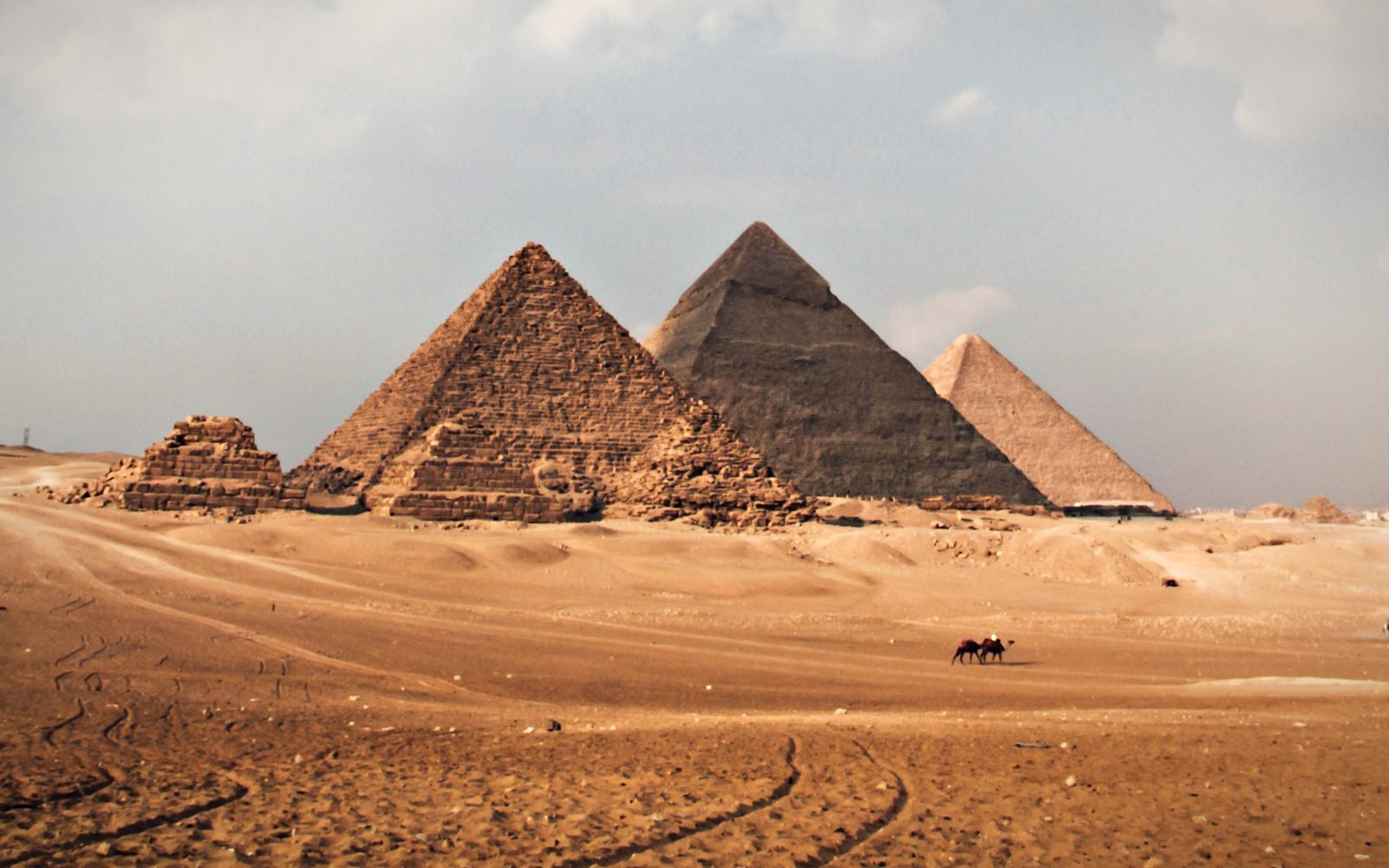
Between the weight of the past and the surprise of the present, you stand before a great gateway. Pass through it and you have crossed out of your own time. What the pharaohs built is in front of you, and the wonder arrives slowly, until you realise this is not a place you pass through and leave, but one that stays in you.

Beside the Giza pyramids, the Grand Egyptian Museum is the largest new museum devoted to ancient Egypt. The visit moves from Ramses II and the Grand Staircase to the main galleries and the complete Tutankhamun display.

Saqqara is one of Egypt's most important ancient necropolises, with monuments spanning thousands of years. Its best-known landmark is Djoser's Step Pyramid, the earliest known pyramid, alongside the Serapeum, later pyramids and richly decorated tombs.

Opened in 1902, the Egyptian Museum in Tahrir remains one of the richest collections of ancient Egyptian material anywhere. Even after Tutankhamun moved to GEM, major holdings such as the Tanis treasures, Yuya and Thuya, and the Narmer Palette remain here.

The National Museum of Egyptian Civilization in Fustat follows Egypt from prehistory to the modern era. One of its most important sections is the Royal Mummies Hall, presented in a quieter and more reflective atmosphere within the museum.

The Coptic Museum opened in Old Cairo in 1910 through the work of Marcus Simaika Pasha. It holds the world’s largest specialist collection of Coptic art and sits among historic churches, the Roman Babylon Fortress and nearby Amr Ibn al-As Mosque.

Saladin began building Cairo Citadel on the Muqattam hills in 1176, and it remained a seat of government for centuries. Within its walls are historic mosques, museums and courtyards, with the Mosque of Muhammad Ali as its most prominent landmark today.
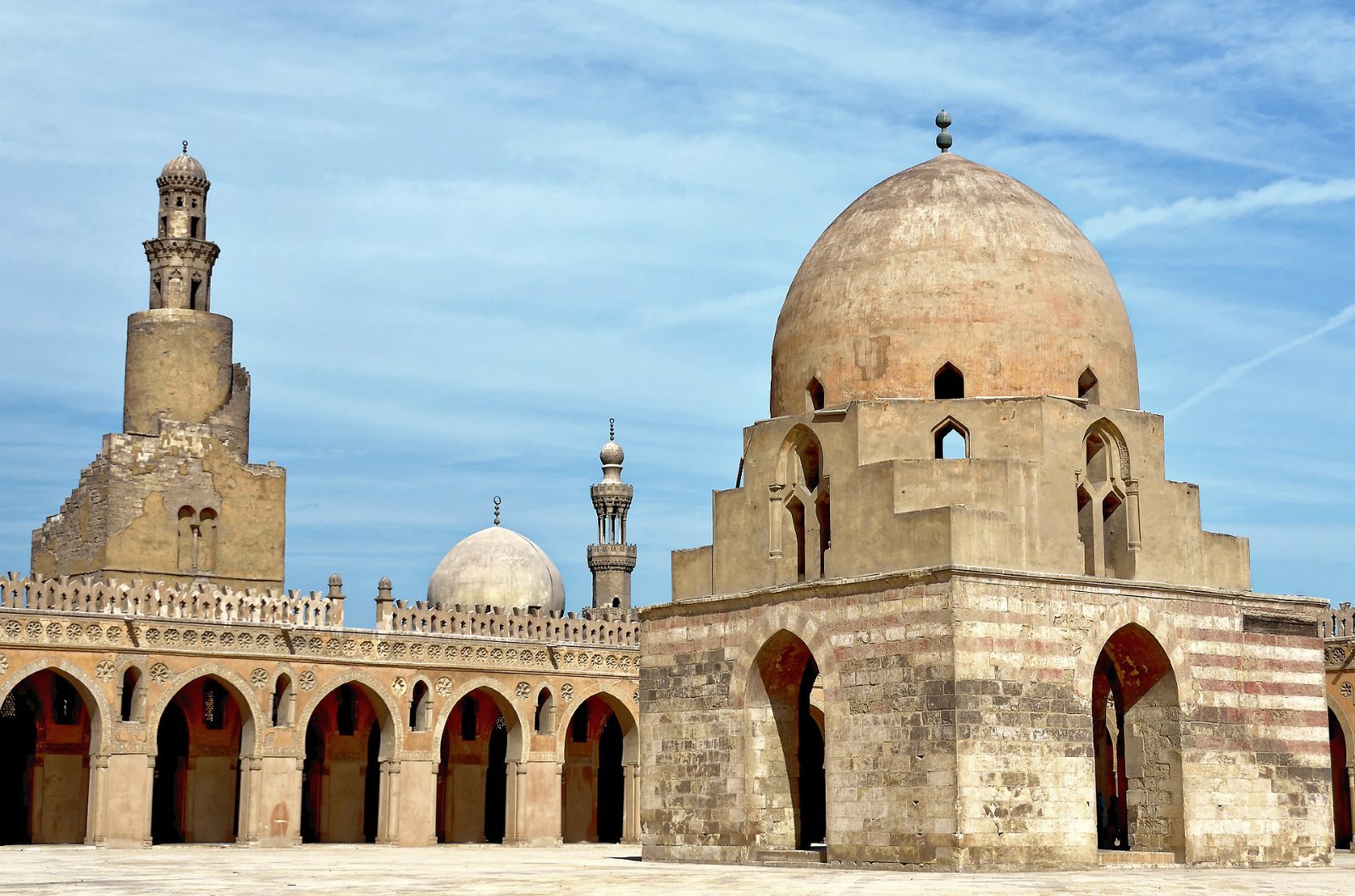
Construction of Ahmad Ibn Tulun Mosque began in 876 and was completed in 879 as the congregational mosque of al-Qata'i. Its vast courtyard, arcades, stucco decoration and distinctive minaret preserve one of Cairo's clearest surviving examples of Tulunid architecture.
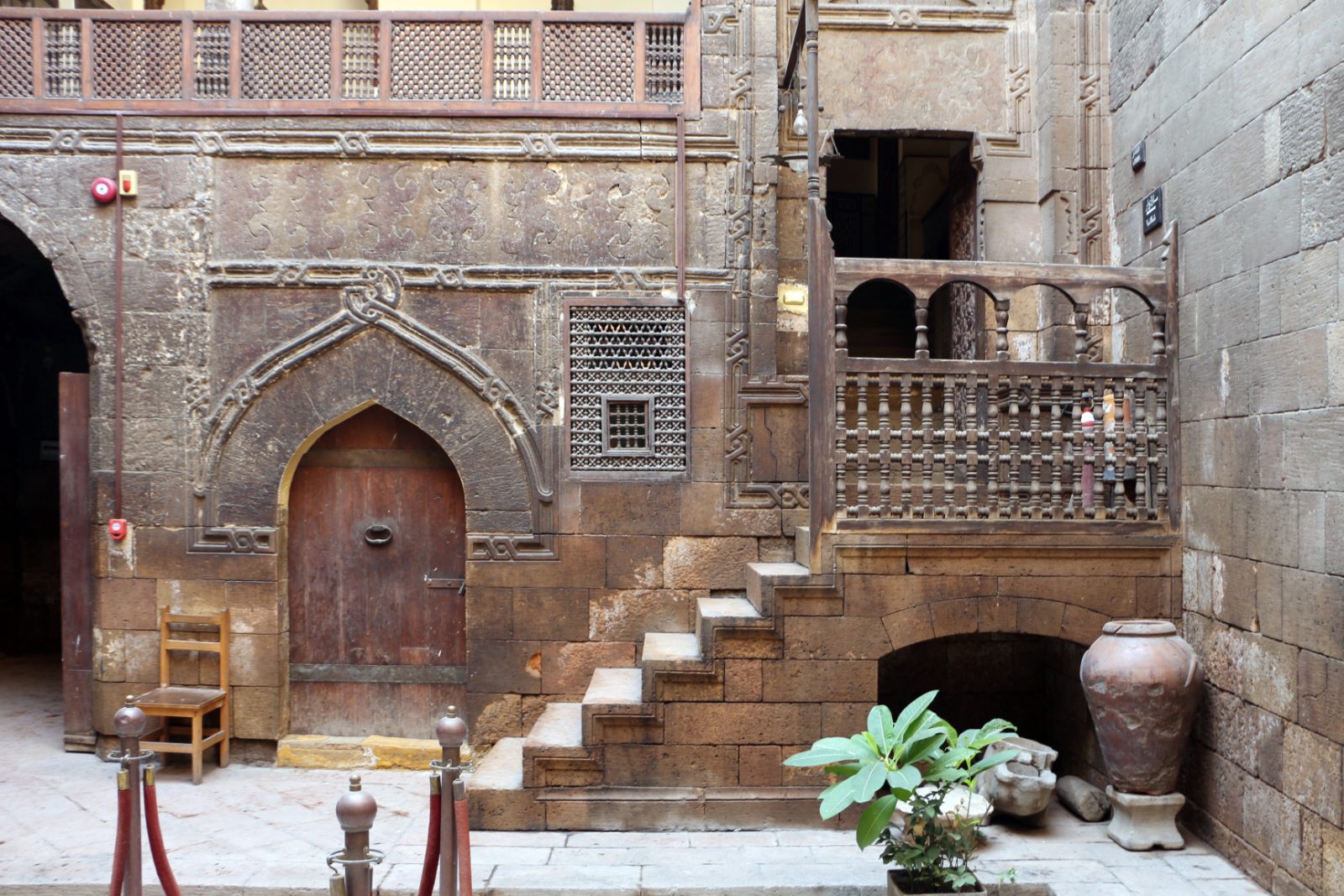
The Gayer-Anderson Museum occupies two historic houses built in 1545 and 1631. Gayer Anderson lived in them from 1935 to 1942, filling the rooms with furniture and objects from Egypt, the Islamic world and Asia, while the houses themselves remain a central part of the experience.

Al-Muizz Street is the clearest historic spine of Fatimid Cairo. Running between Bab al-Futuh and Bab Zuwayla, it passes mosques, madrasas, houses, sabils and markets built across successive Islamic periods.

Amir Jaharkas al-Khalili established a merchants’ khan here in 1382, and the name stayed with the district. Today Khan el-Khalili is a network of lanes, shops, workshops and cafés in Historic Cairo rather than a single monument.

Dahshur is an important archaeological site south of Saqqara that preserves a crucial stage in pyramid development. Its best-known monuments are Sneferu's Bent and Red pyramids, which reveal the steps toward the stable true-pyramid form.

Bayt al-Suhaymi is one of the clearest surviving examples of domestic life in Ottoman Cairo. Its southern section dates to 1648 and the northern section to 1796; the two were later joined into the house seen today.

Bayt al-Sinnari is a late-18th-century Ottoman house in Sayyida Zeinab, closely linked to the French Expedition when its scholars used it for their work. Today the Bibliotheca Alexandrina operates it as a cultural centre.

Manasterly Palace was built in the mid-19th century at the southern end of Rawda Island. Its intimate scale, decorated halls, ceilings and woodwork are shaped by a setting closely tied to the Nile.

The present Nilometer on Rawda Island was built in 861 to measure Nile flood levels. A graduated marble column stands inside a stone-lined well, and its readings helped authorities understand irrigation, agricultural conditions and their wider administrative impact.

Aisha Fahmy Palace in Zamalek is both an architectural destination and an exhibition venue. Built in 1907 for Ali Pasha Fahmy and designed by Italian architect Antonio Lasciac, it now hosts changing art exhibitions.

The Museum of Islamic Art opened in its Bab al-Khalq building in 1903 after collecting Islamic objects in Cairo began in 1880. Its broad collection reaches beyond religious art into science, writing, daily life and craft across many centuries and regions.

The Royal Carriages Museum in Bulaq traces its roots to the khedivial carriage service under Khedive Ismail. Its coaches, horse equipment, uniforms and related objects reveal the mechanics and spectacle of royal ceremony under the Muhammad Ali dynasty.

The Mahmoud Khalil Museum occupies a palace built around 1915 and once home to collector and statesman Mahmoud Khalil and his wife, Emiline Hector Luce. European paintings, sculpture and decorative arts retain the intimacy of a private collection.

The present Mahmoud Mokhtar Museum opened in 1962 in a building designed by Ramses Wissa Wassef as a permanent home for the pioneer of modern Egyptian sculpture. The collection shows how Mokhtar reworked ancient Egyptian, rural and nationalist imagery into a modern language.

Darb 1718 is an independent contemporary art and culture centre working in Fustat since 2008. Its programme changes between exhibitions, workshops, concerts, performances and artist residencies, so no two visits are necessarily the same.

Fustat Pottery Village is a dedicated pottery-making district with dozens of workshops and kilns. The visit is about seeing a working craft environment, with opportunities to watch shaping, preparation and firing when the workshops are active.

The Fustat Traditional Crafts Centre is a cultural institution focused on preserving traditional skills and passing them to new generations. Its roots go back to a ceramics centre founded by Saeed El-Sadr in 1958, while today's experience centres on workshops, training and production across several crafts.

The Umm Kulthum Museum opened in 2001 in a building attached to Manasterly Palace on Rawda Island. Through clothes, photographs, letters, recordings and personal objects, it offers a compact and intimate account of the Star of the East.