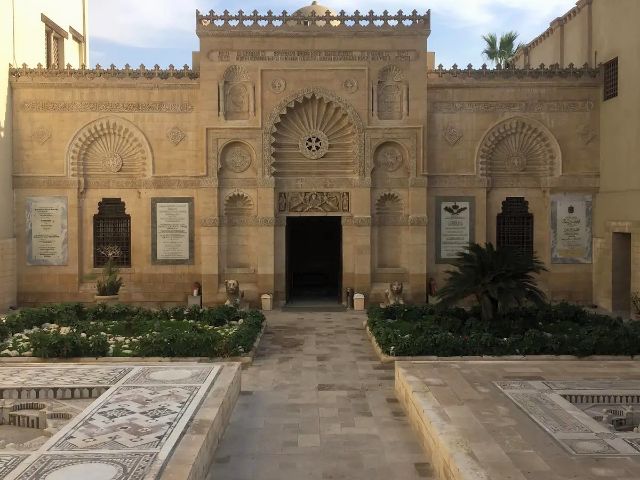
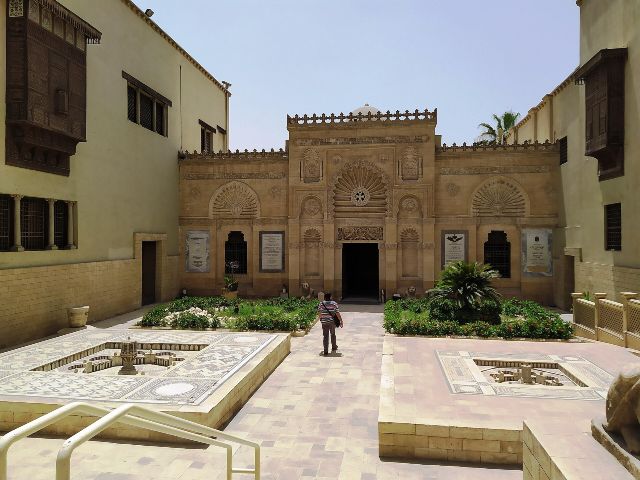
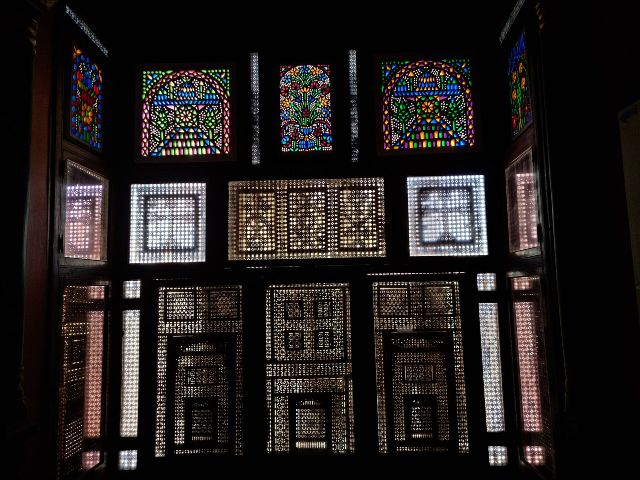
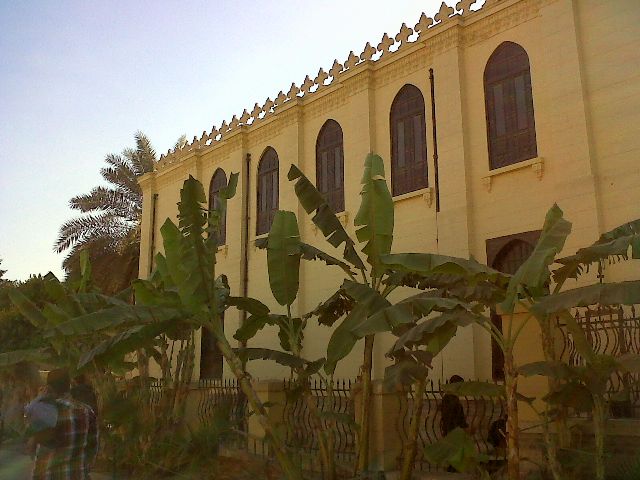
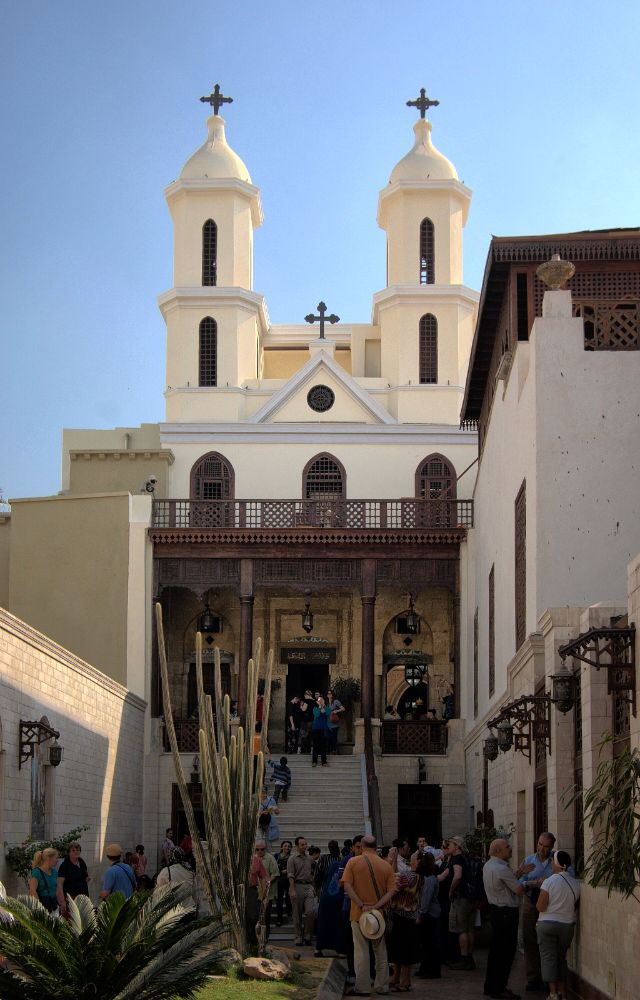
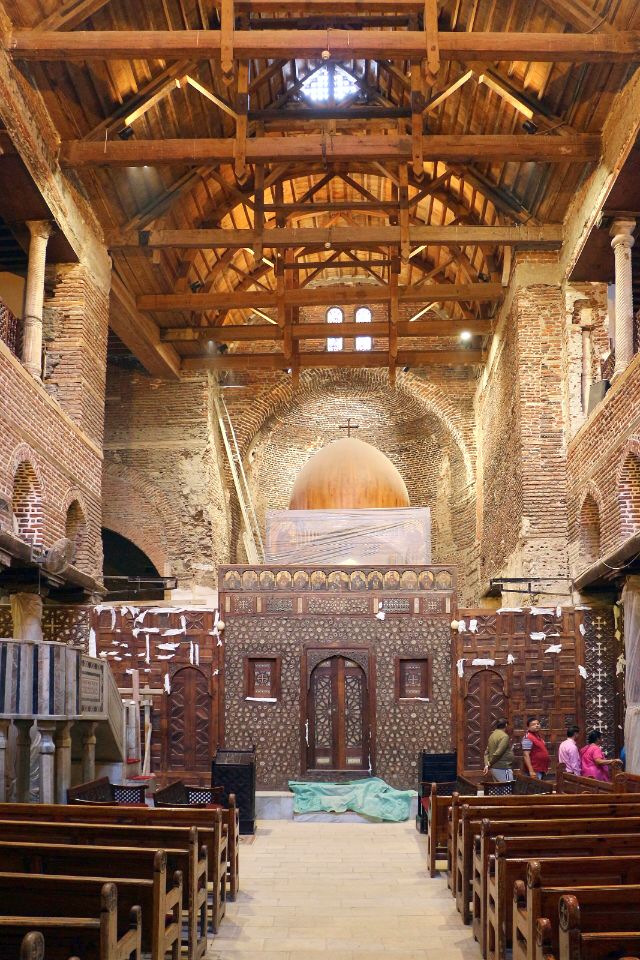
The Coptic Museum opened in Old Cairo in 1910 through the work of Marcus Simaika Pasha. It holds the world’s largest specialist collection of Coptic art and sits among historic churches, the Roman Babylon Fortress and nearby Amr Ibn al-As Mosque.
Among Old Cairo’s churches and the walls of Babylon Fortress, the Coptic Museum grew from an effort to preserve objects dispersed across churches, monasteries and archaeological sites. Marcus Simaika opened it in 1910; a new wing followed in 1947. Its setting keeps the collection close to the religious and architectural world from which much of it came.
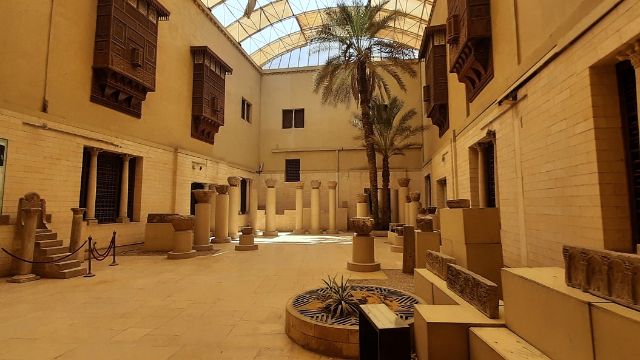
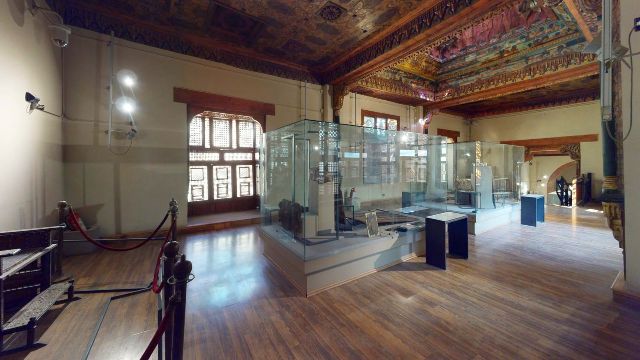
Textiles, icons, carved wood and stone share the galleries. Changing symbols and motifs reveal how Coptic art drew on older Egyptian traditions and successive influences to express the life and beliefs of its communities.
A mosque, churches and a synagogue within a few steps of one another: the story of an Egypt where everyone lived side by side. A short, quiet route for a Friday or Saturday morning.