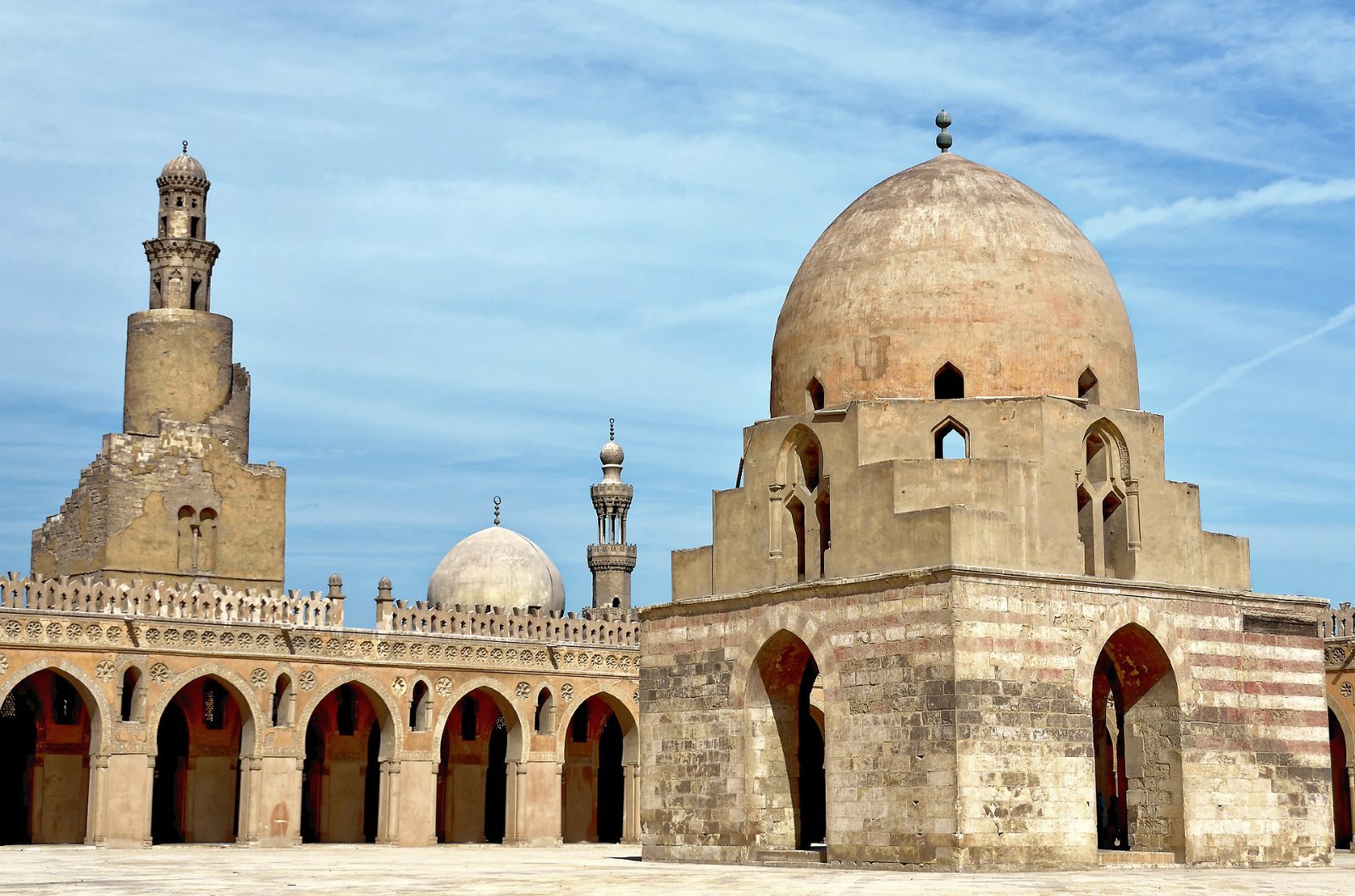

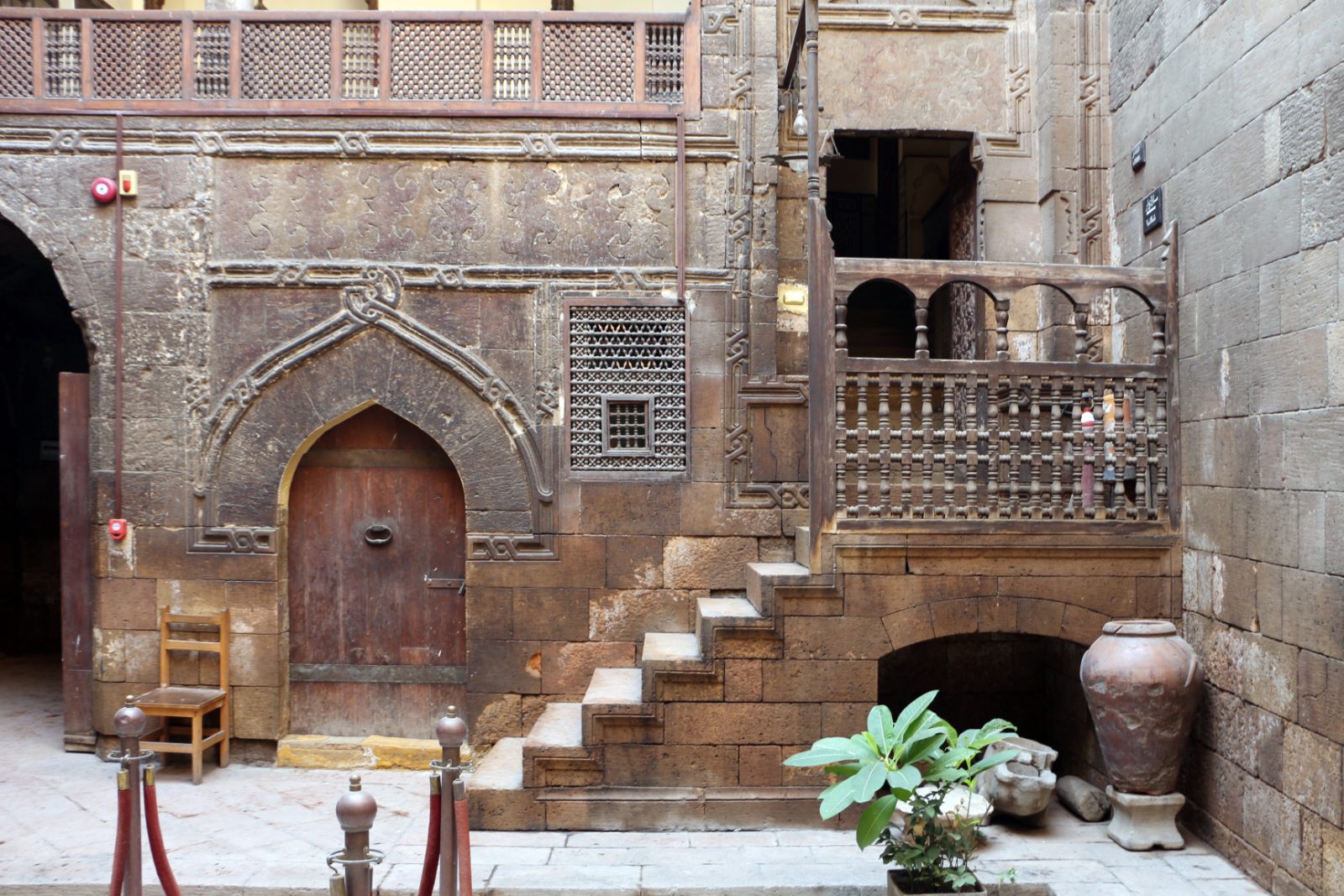
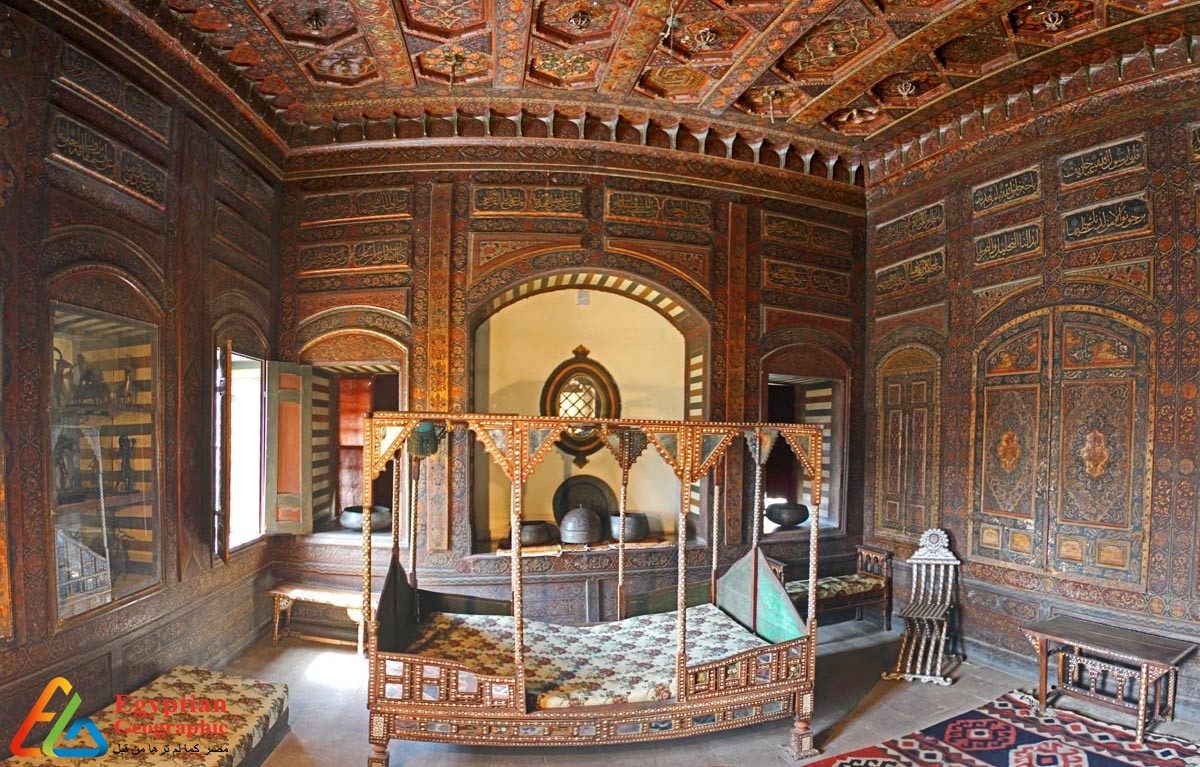
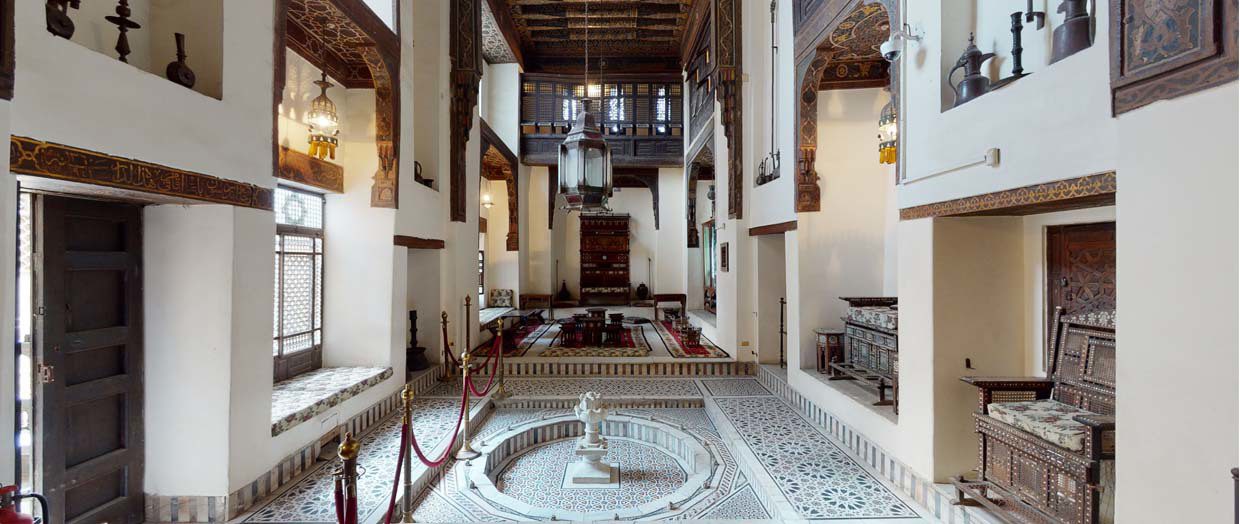
The museum is formed from two connected historic houses. The first was built in 1545 and the second in 1631, later becoming known as Bayt al-Kritliyya. In 1935 the British doctor and officer Gayer Anderson received permission to live in them and arranged his collection of furniture and objects throughout the rooms. When he left Egypt in 1942, the houses became a museum.
During the visit you move through courtyards, rooms, mashrabiyas and narrow passages, with the details changing from one space to the next. Much of the appeal lies in the domestic architecture itself: the light, woodwork and arrangement of the rooms make it feel like entering a preserved historic home rather than a conventional display museum.