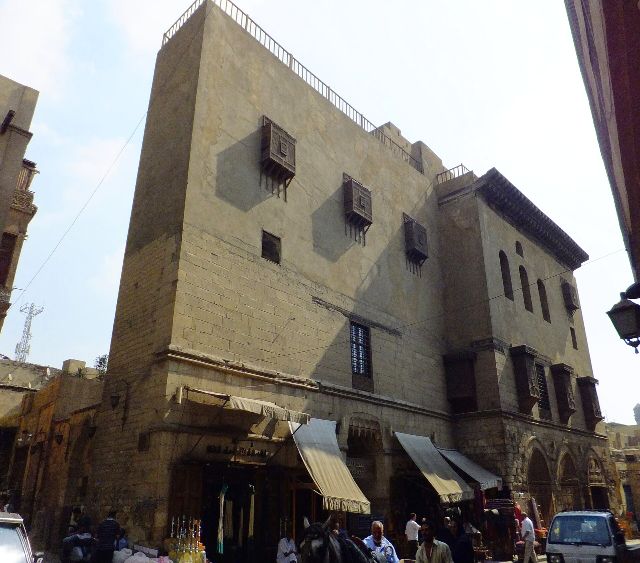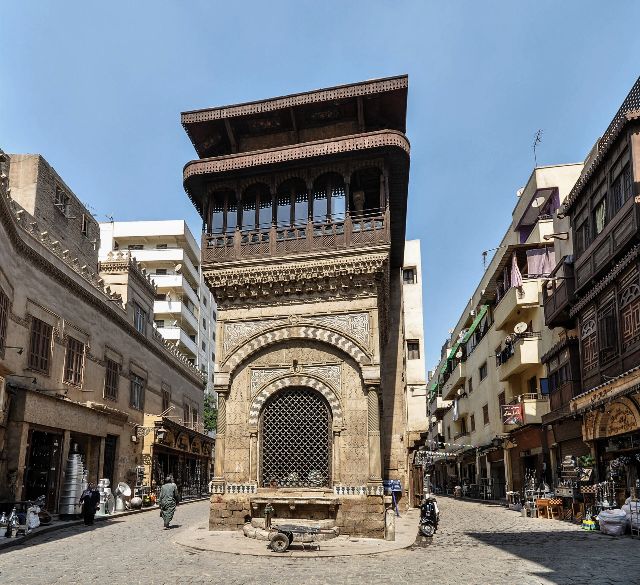



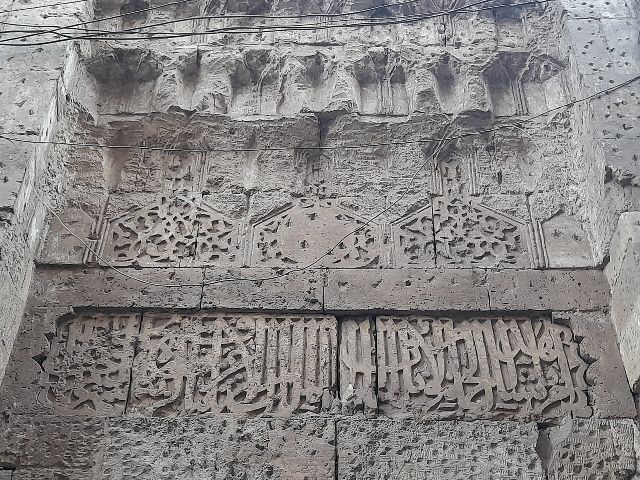
Sultan Inal’s bathhouse was established on al-Muizz Street in the mid-fifteenth century, when public baths formed part of the city’s daily and social life. Its story begins with bodily needs: water, warmth, washing and rest.
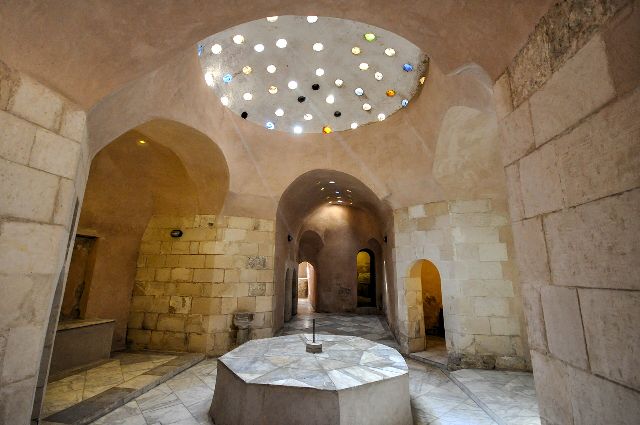
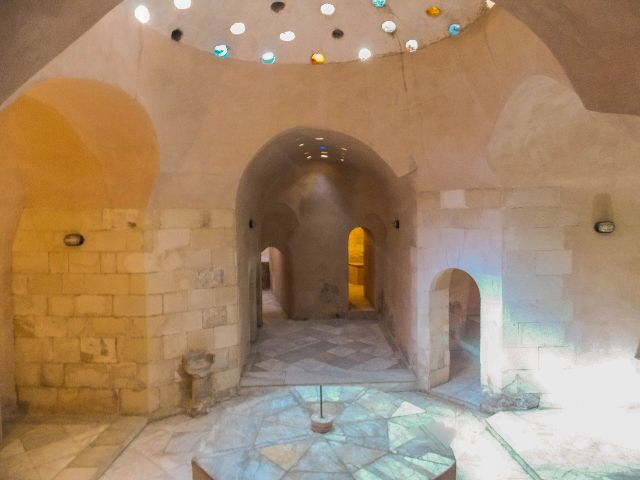
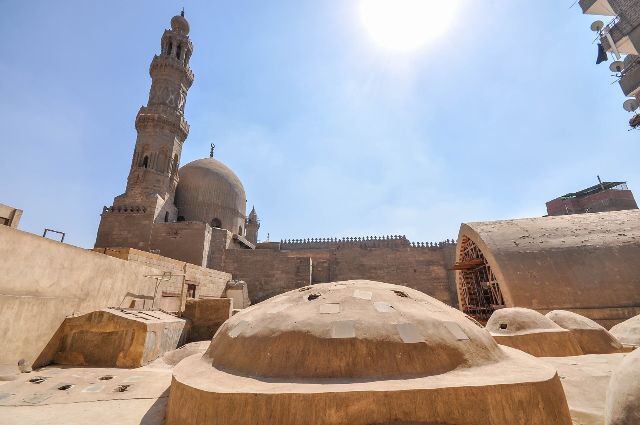
A bent entrance and sequence of rooms organised movement through increasing privacy and changing temperatures, while openings in the vaulted roofs admitted light from above. The building no longer provides bathing services, but its layout makes that former use understandable. Following the spaces reveals how architecture coordinated bathers, heated water and the practical systems supporting the experience.