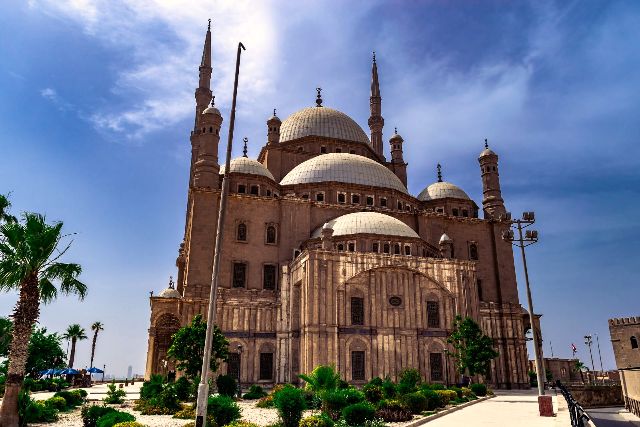
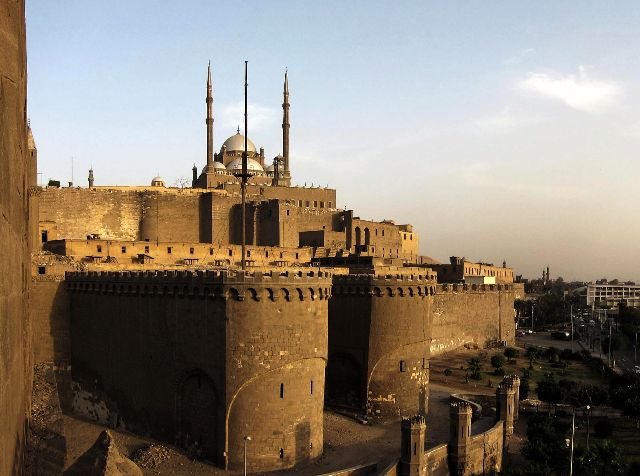
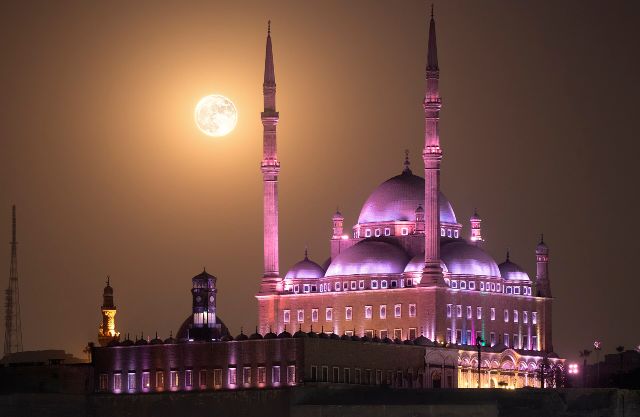
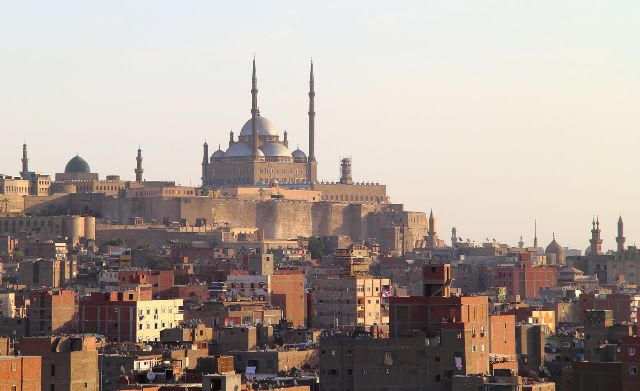
Saladin began building Cairo Citadel on the Muqattam hills in 1176, and it remained a seat of government for centuries. Within its walls are historic mosques, museums and courtyards, with the Mosque of Muhammad Ali as its most prominent landmark today.
From the Mokattam heights, Cairo becomes a city you can read from a distance. Saladin began the Citadel in 1176 to defend his capital; his successors completed it, and it remained a seat of government for centuries before that role moved to Abdeen in the nineteenth century.
Inside the walls, buildings from different periods stand together, including the mosques of al-Nasir Muhammad and Muhammad Ali. The latter’s domes and minarets dominate the skyline. Between buildings and open courts, views over the city reveal why this elevated site suited both defence and the display of authority.
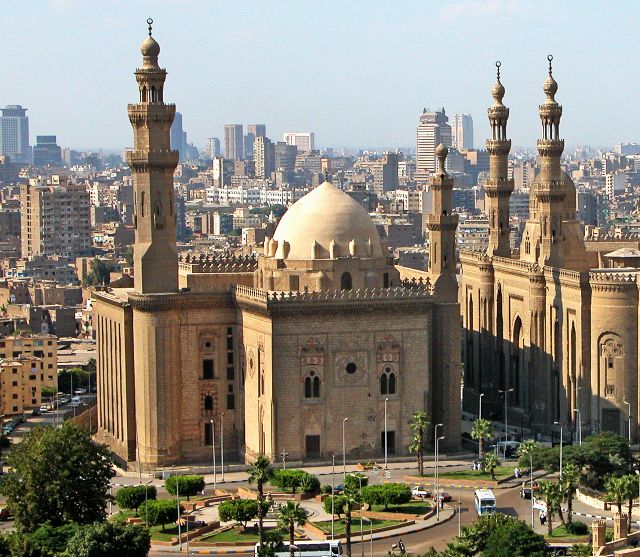
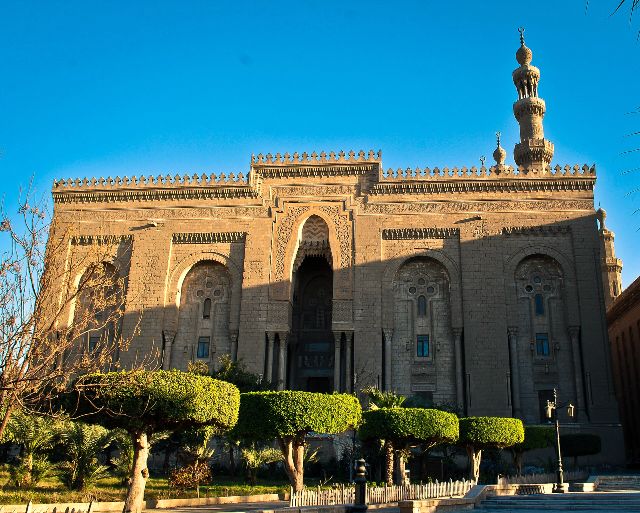
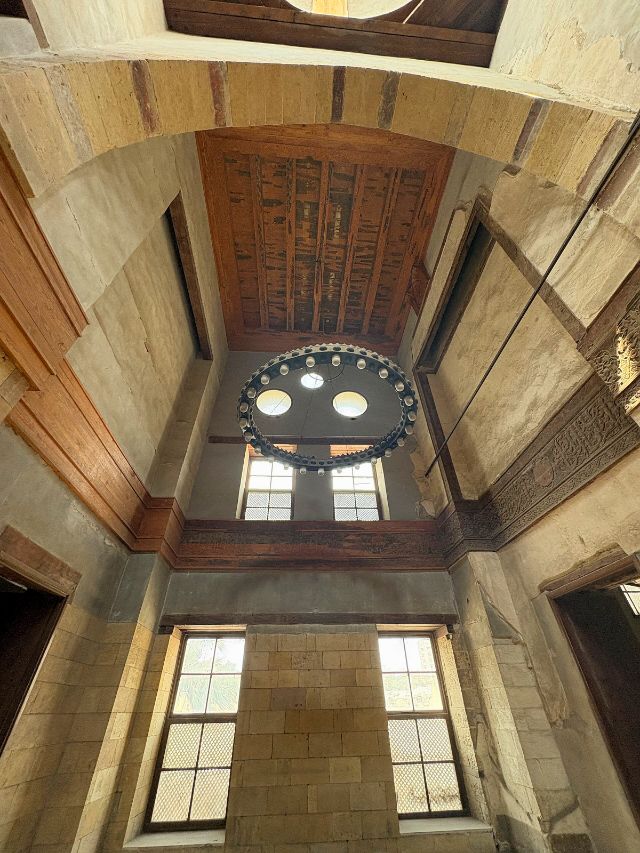
A day among Cairo’s grandest mosques: start with the Citadel’s view over the city, descend to Sultan Hassan and al-Rifai, and continue to the vast courtyard of Ibn Tulun and the Gayer-Anderson house.