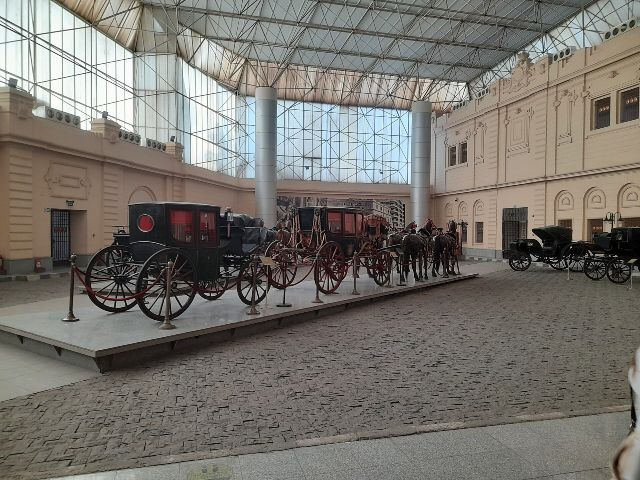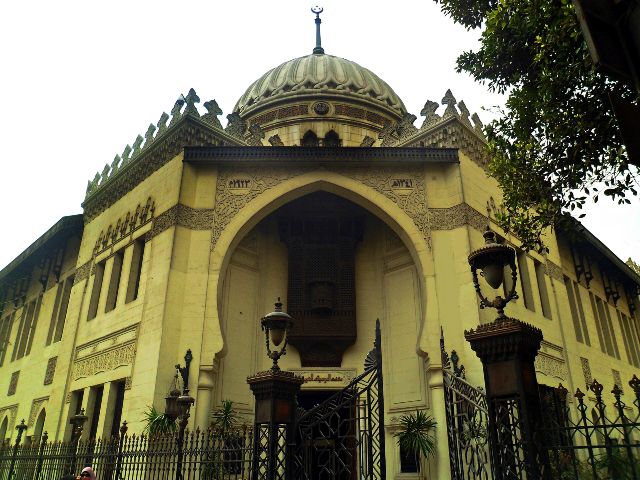

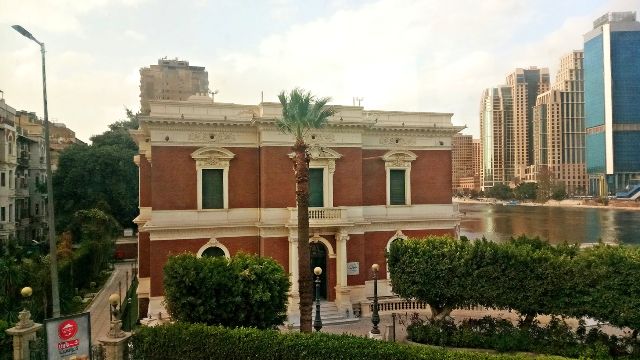
Placeholder — replace with a photo from the visit
Palace · Khedivial
Aisha Fahmy Palace
A Nile palace that changes with every exhibition
Aisha Fahmy Palace in Zamalek is as much an artwork as an exhibition venue. Designed by Antonio Lasciac in 1907, its rooms now host rotating shows while spaces such as the Japanese Room preserve original detail.
About this place
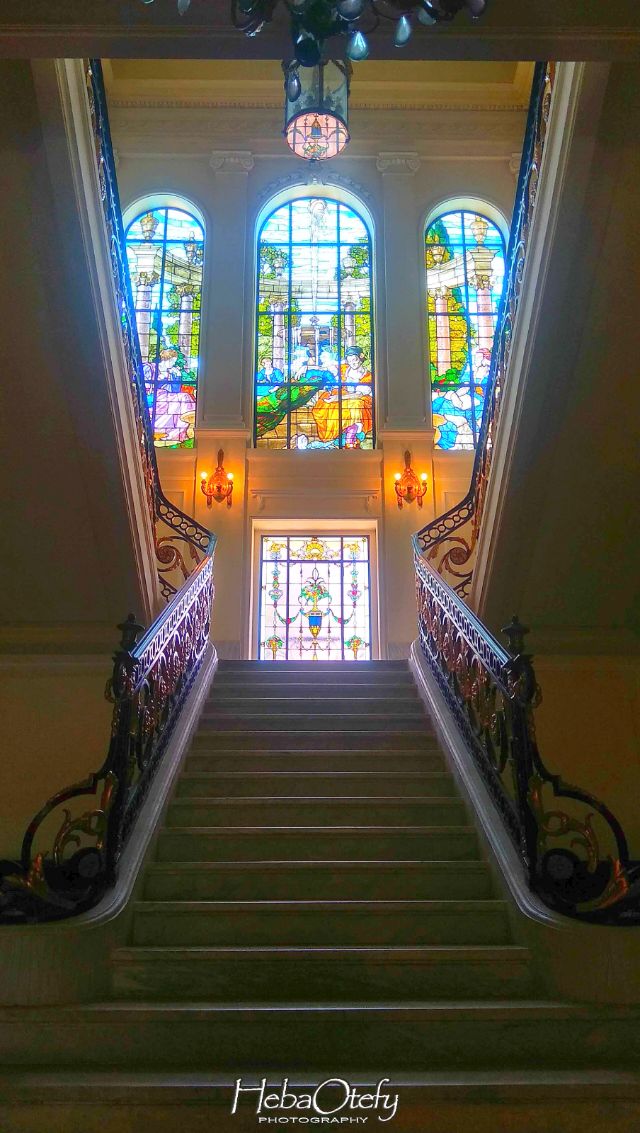
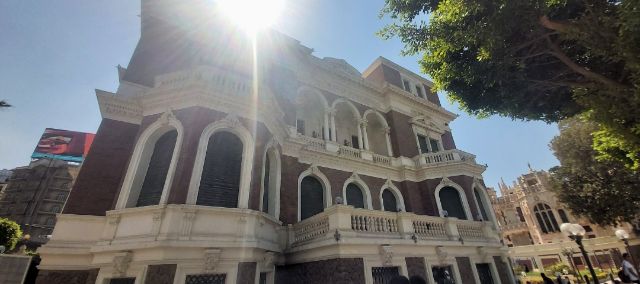
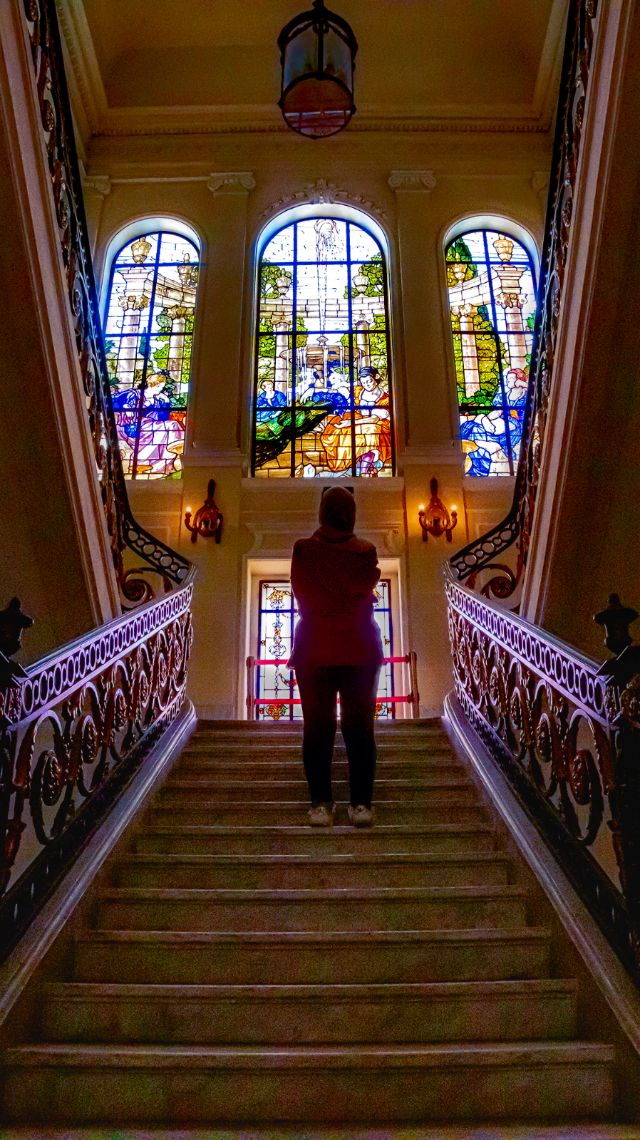
Aisha Fahmy Palace stands on the Nile in Zamalek and was built in the early twentieth century as one of modern Cairo’s aristocratic residences. Associated with the family of Ali Pasha Fahmy and later with Aisha Fahmy, the palace is known for European-influenced interiors, marble staircases, stained glass, decorative woodwork and richly finished rooms, including its distinctive Japanese Room.
The property passed into state ownership in the mid-twentieth century and later became the Arts Complex under Egypt’s Ministry of Culture and Fine Arts Sector. Rather than housing one permanent collection, the palace hosts changing art exhibitions throughout the year, allowing its historic architecture to become part of the experience of viewing both modern and classical art.
Even before considering the current exhibition, the palace is an architectural attraction in its own right, giving each changing art show a distinctive historic setting.
Visitor information
- Opening hours
- Monday — 09:00 – 18:00
Tuesday — 09:00 – 18:00
Wednesday — 09:00 – 18:00
Thursday — 09:00 – 18:00
Saturday — 09:00 – 18:00 - Amenities
- Toilets
| Tickets | Price | Checked |
|---|---|---|
| Egyptian | 0 | 2026-09-06 |
| Egyptian student | 0 | 2026-09-06 |
| Foreign | 0 | 2026-09-06 |
| Foreign student | 0 | 2026-09-06 |
Highlights
- The Japanese Room and upper-floor details
- Staircases, stained glass and interior decoration
- Rotating art exhibitions
Tips from the visit
- Admission is free, but carry ID.
- Check the current exhibition page on the day you visit; public hours are programme-dependent.
- Safaa Hegazy metro station makes access easier, followed by a walk.
Worth knowing
- The palace operates primarily around exhibitions and events, so it can close between programmes or change hours.
- The current September 2026 schedule belongs to the exhibition now running and is not a permanent timetable.
Location & getting there
1 Aziz Abaza Street, Zamalek, Cairo
Nearest landmark: النيل – قرب ساقية الصاوي
Nearest metro: صفاء حجازي
Take Metro Line 3 to Safaa Hegazy, then walk roughly ten minutes toward Aziz Abaza Street by the Nile.
30.0608, 31.2244
Open in Google Maps ↗Nearby

Since opening in 1902, the Tahrir museum has become part of Egyptology’s own history. Although the Tutankhamun collection has moved to the Grand Egyptian Museum, its halls still hold exceptional objects spanning ancient Egyptian history.

In Fustat, the National Museum of Egyptian Civilization tells Egypt’s story as one continuous timeline from prehistory to the modern era, before the Royal Mummies Hall shifts the experience into a quieter encounter.

Within the Roman fortress of Babylon, the Coptic Museum holds one of the world’s richest collections of Coptic art, while the Hanging Church, Abu Serga, Ben Ezra Synagogue and other Old Cairo landmarks sit steps away.