
Placeholder — replace with a photo from the visit
Street or quarter · Fatimid
Al-Muizz Street
One street, a thousand years of Cairo
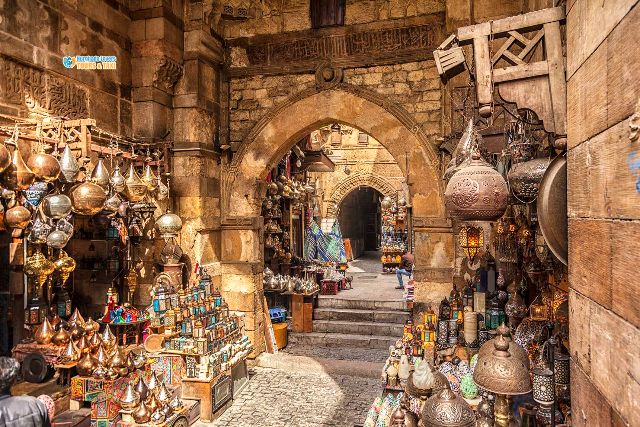
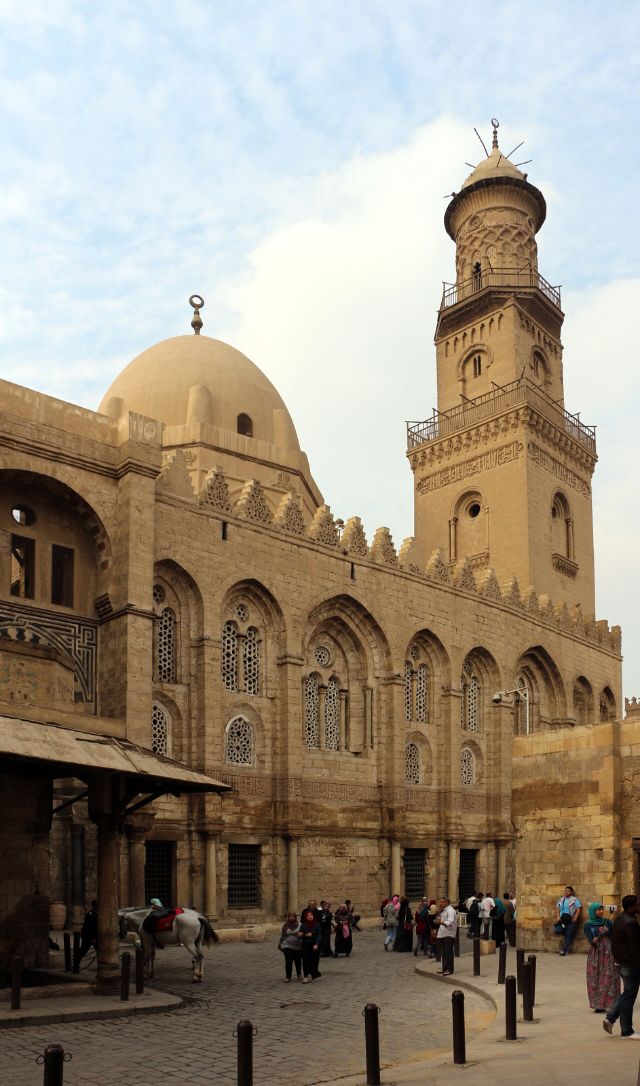
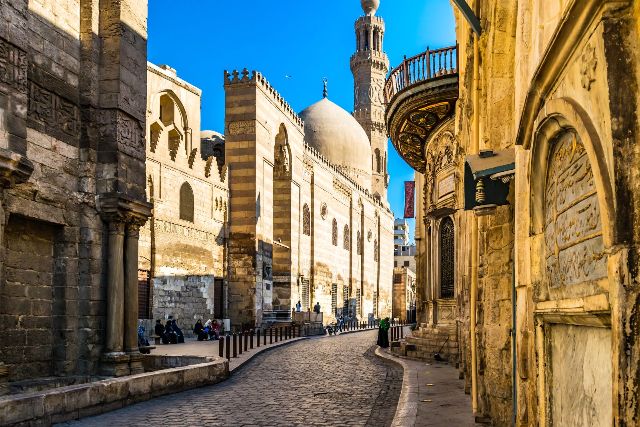
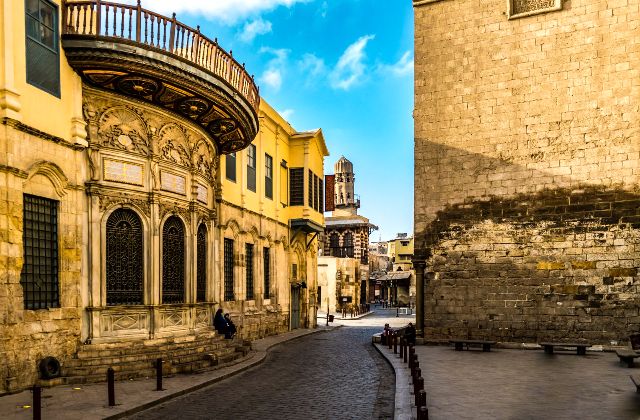
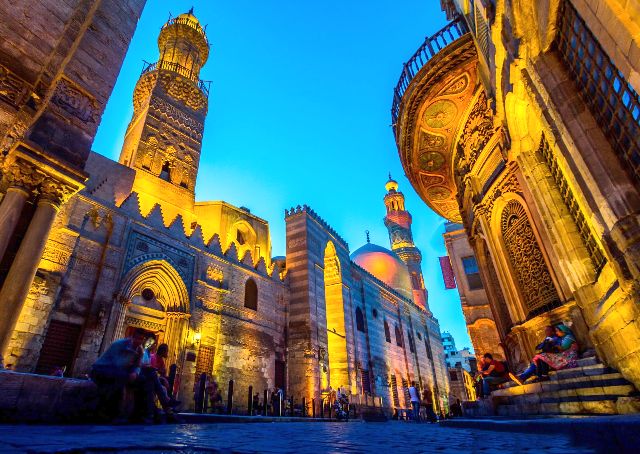
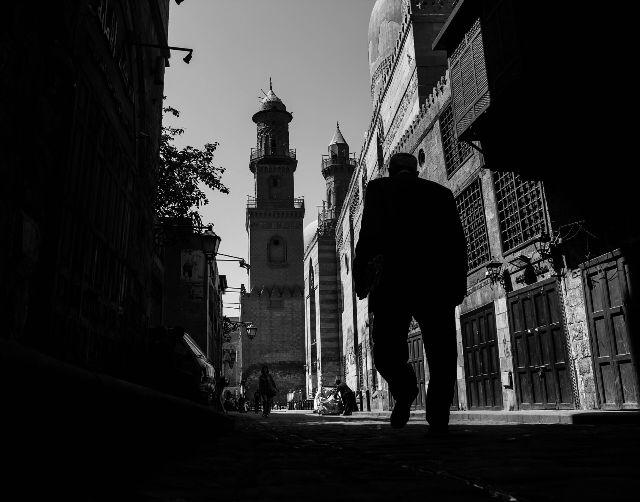
Al-Muizz runs through the heart of Historic Cairo as a living route of gates, mosques, madrasas, houses and markets. The street itself is public; an area ticket covers entry to a group of major monuments.
About this place
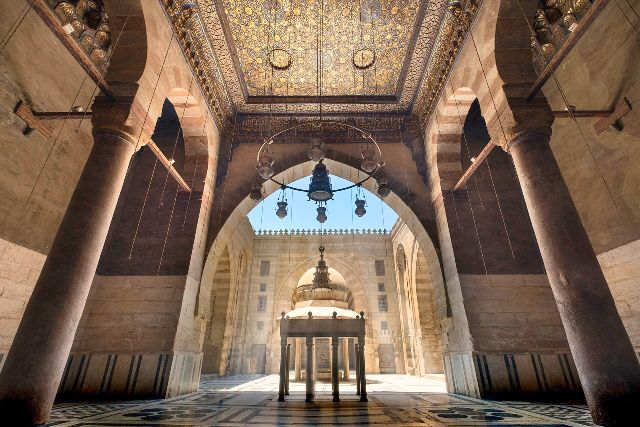
The street traces its origin to Fatimid Cairo, founded in 969 CE, but its surviving monuments span Fatimid, Ayyubid, Mamluk and Ottoman periods. The area ticket includes buildings such as the Qalawun complex, al-Kamil’s madrasa, al-Nasir Muhammad’s madrasa and mosque, Barquq’s complex and Amir Bishtak Palace; Bayt al-Suhaymi is not included.
A good visit starts near Bab al-Futuh and moves south slowly, entering a few key buildings rather than merely passing every façade. After the monuments close, the public street remains active.
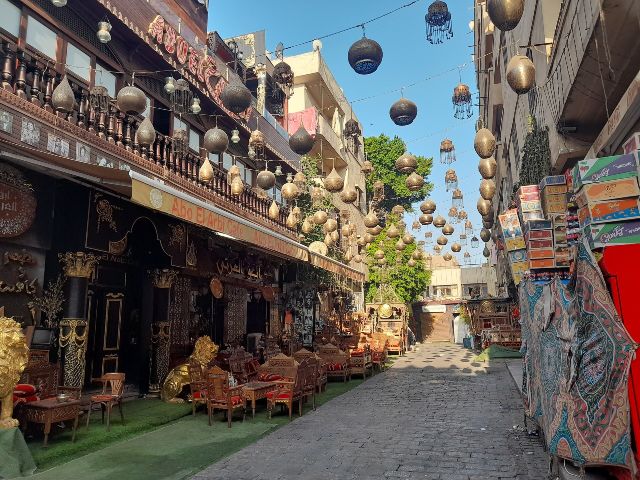
This is not a museum inside a building—the city itself is the display. Every few steps the period, function and architectural language changes while everyday life continues around the monuments.
Visitor information
- Opening hours
- Sunday — 09:00 – 17:00
Monday — 09:00 – 17:00
Tuesday — 09:00 – 17:00
Wednesday — 09:00 – 17:00
Thursday — 09:00 – 17:00
Friday — 09:00 – 17:00
Saturday — 09:00 – 17:00 - Payment
- Card
- Amenities
- Toilets · Guides
| Tickets | Price | Checked |
|---|---|---|
| Egyptian | 20 | 2026-09-06 |
| Egyptian student | 10 | 2026-09-06 |
| Foreign | 220 | 2026-09-06 |
| Foreign student | 110 | 2026-09-06 |
Highlights
- The Sultan Qalawun complex
- Bab al-Futuh and the northern approach
- Amir Bishtak Palace, madrasas and sabils along the route
Tips from the visit
- Start at Bab al-Futuh and walk south toward al-Hussein and Khan el-Khalili.
- Enter before 4:00 PM so you have time inside monuments before the 5:00 PM closing.
- The Al-Muizz ticket does not include Bayt al-Suhaymi.
Worth knowing
- The 9–5 schedule applies to ticketed monuments, not to the public street itself.
- The area is shared with residents and traders; watch for local traffic and motorcycles.
Location & getting there
Al-Muizz li-Din Allah Street, Al-Gamaliya, Historic Cairo
Nearest landmark: باب الفتوح ومسجد الحسين
Nearest metro: باب الشعرية
From Bab El Shaaria metro, take a short taxi or walk toward Bab al-Futuh. Alternatively, start near al-Hussein/Khan el-Khalili at the southern end.
30.0489, 31.2622
Open in Google Maps ↗Nearby

Since opening in 1902, the Tahrir museum has become part of Egyptology’s own history. Although the Tutankhamun collection has moved to the Grand Egyptian Museum, its halls still hold exceptional objects spanning ancient Egyptian history.

In Fustat, the National Museum of Egyptian Civilization tells Egypt’s story as one continuous timeline from prehistory to the modern era, before the Royal Mummies Hall shifts the experience into a quieter encounter.

Within the Roman fortress of Babylon, the Coptic Museum holds one of the world’s richest collections of Coptic art, while the Hanging Church, Abu Serga, Ben Ezra Synagogue and other Old Cairo landmarks sit steps away.