Placeholder — replace with a photo from the visit
Craft workshop · Modern
Fustat Pottery Village
Watch clay become craft in front of you
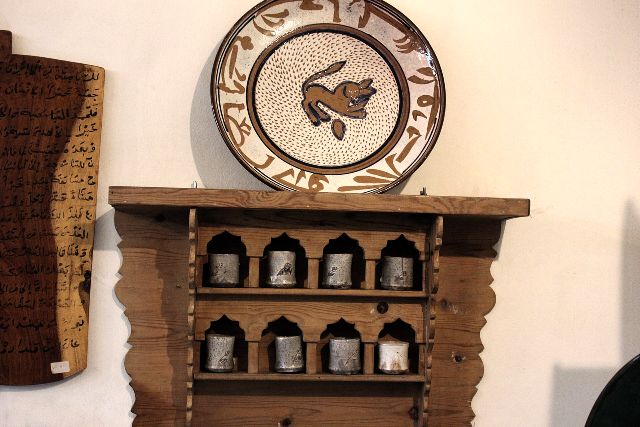
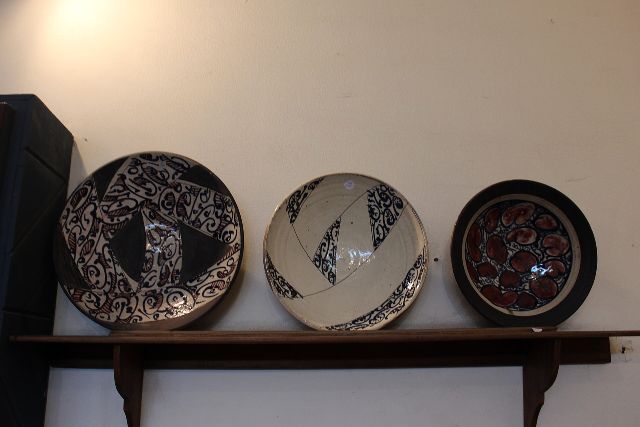
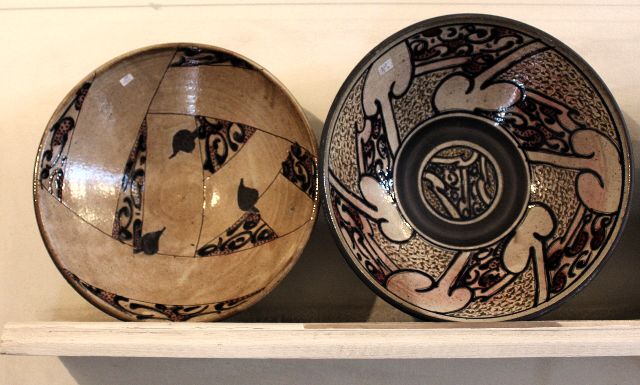
At Fustat, you do not only see finished pottery: you can move among working craft spaces, watch clay being shaped and decorated, and buy directly where pieces are made.
About this place
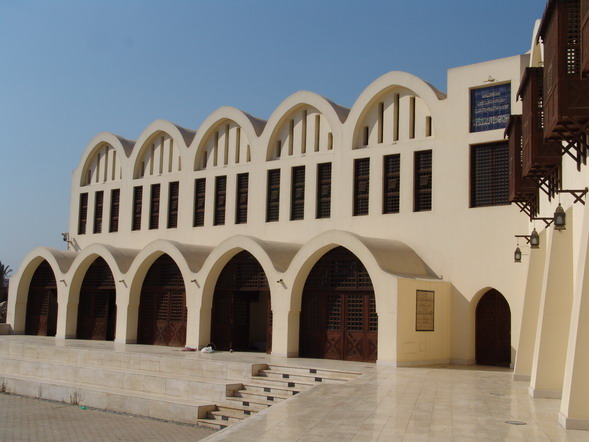
Fustat has been associated with pottery and ceramics for centuries, and modern efforts to preserve these crafts developed through the Fustat ceramics and traditional crafts centres. The project traces its roots to a pottery studio established by Egyptian ceramicist Said al-Sadr in the 1950s, later expanded and redeveloped toward the end of the twentieth century and the beginning of the new millennium as a centre for training, production, display and craft preservation.
The area contains workshops and spaces for displaying and selling pottery and ceramics, alongside crafts such as copperwork, shell inlay, woodwork, textiles, jewellery and khayamiya depending on current activity. The modern centre draws on traditional environmental architecture, while the core of the visit is seeing craft as a living process—from shaping and decorating clay to firing and finished work.
The centre presents craft as a process rather than only a finished souvenir, placing materials, techniques and makers inside Fustat’s long pottery tradition.
Visitor information
- Opening hours
- Sunday — 09:00 – 15:00
Monday — 09:00 – 15:00
Tuesday — 09:00 – 15:00
Wednesday — 09:00 – 15:00
Thursday — 09:00 – 15:00 - Payment
- Card · Cash
- Amenities
- Toilets · Parking
| Tickets | Price | Checked |
|---|---|---|
| Egyptian | 0 | 2026-09-06 |
| Egyptian student | 0 | 2026-09-06 |
| Foreign | 0 | 2026-09-06 |
| Foreign student | 0 | 2026-09-06 |
Highlights
- Watching pottery being made when artisans are working
- Direct pottery and ceramics display/sales
- The Fustat setting near Darb 1718
Tips from the visit
- Go between Sunday and Thursday; Friday and Saturday are generally closed.
- Carry cash even if some sellers accept cards; payment varies by workshop.
- Ask before photographing artisans and request strong packing for purchases.
Worth knowing
- Hours vary between the main centre and individual workshops; 9 AM–3 PM is currently the safest visitor window.
- Not every part of the village is a tourist display area; some spaces are active workshops.
Location & getting there
1 El-Imam Street, Fustat, Old Cairo, Cairo
Nearest landmark: جامع عمرو بن العاص ودرب 1718
Nearest metro: مار جرجس
From Mar Girgis metro, head toward El-Imam Street and the Fustat potters’ district; a short taxi is easiest, and Darb 1718 is nearby.
30.0007, 31.2317
Open in Google Maps ↗Nearby

Since opening in 1902, the Tahrir museum has become part of Egyptology’s own history. Although the Tutankhamun collection has moved to the Grand Egyptian Museum, its halls still hold exceptional objects spanning ancient Egyptian history.

In Fustat, the National Museum of Egyptian Civilization tells Egypt’s story as one continuous timeline from prehistory to the modern era, before the Royal Mummies Hall shifts the experience into a quieter encounter.

Within the Roman fortress of Babylon, the Coptic Museum holds one of the world’s richest collections of Coptic art, while the Hanging Church, Abu Serga, Ben Ezra Synagogue and other Old Cairo landmarks sit steps away.