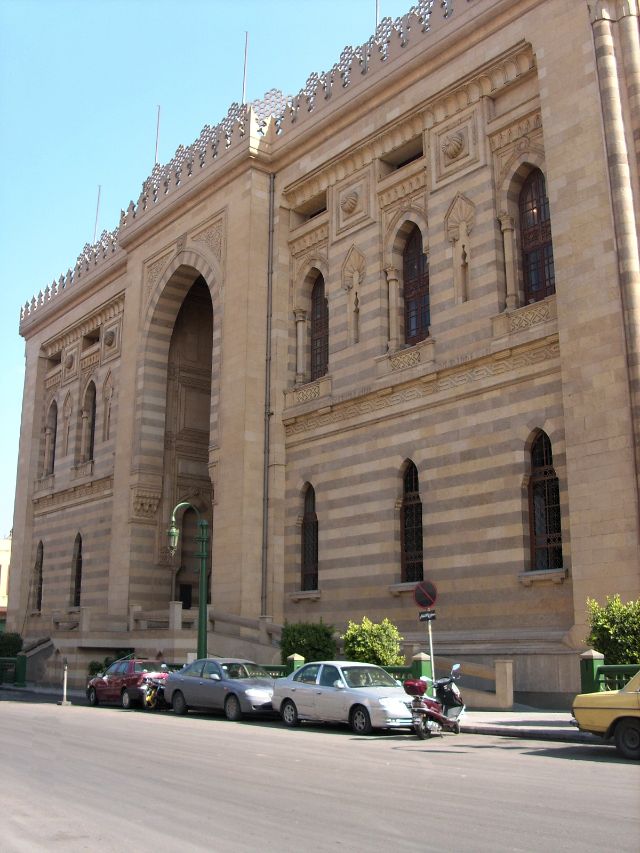



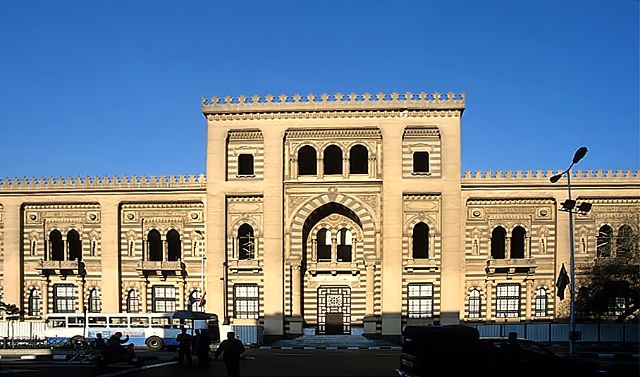
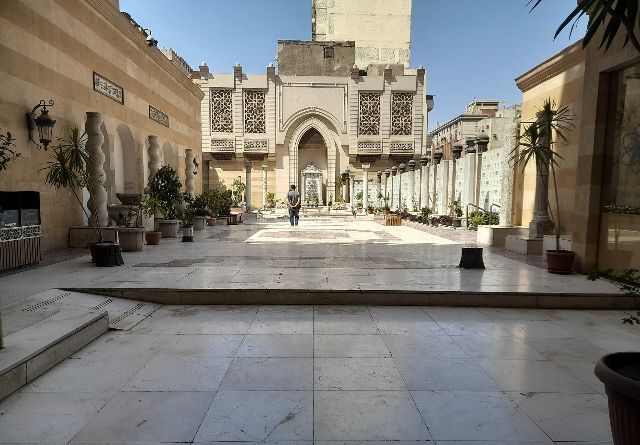
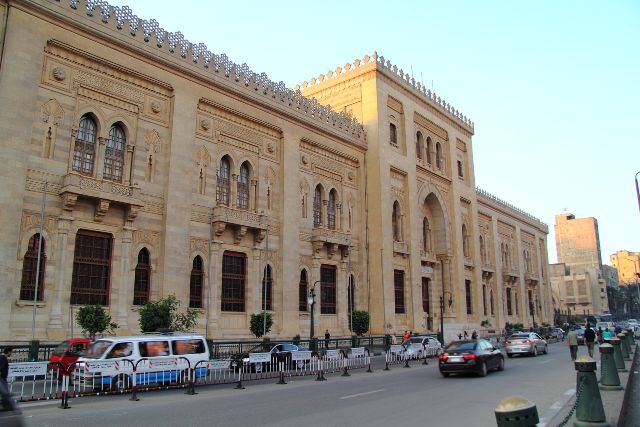
The Museum of Islamic Art grew from a nineteenth-century collection before moving into its Bab al-Khalq building in 1903. Its holdings extend beyond Egypt, tracing the movement of skills, designs and ideas across different parts of the Islamic world.
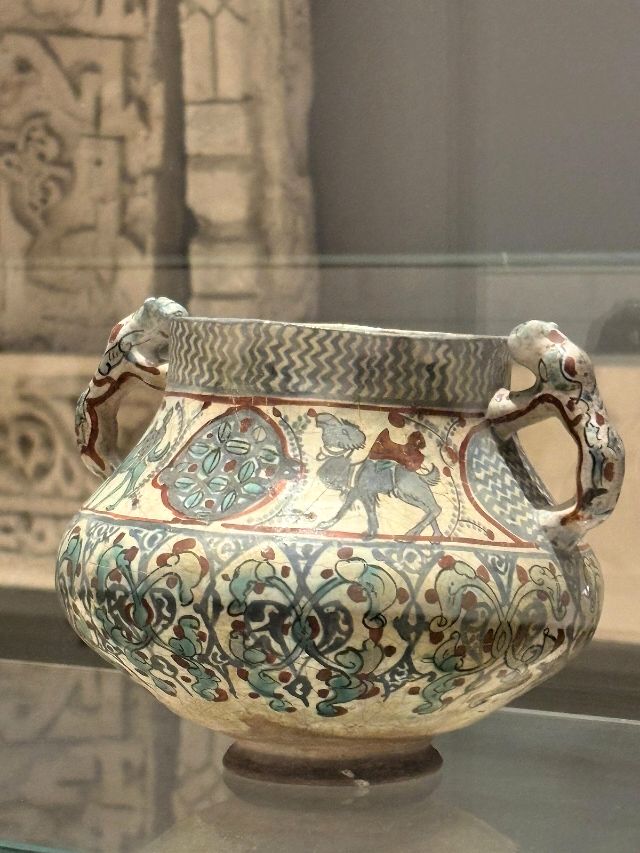
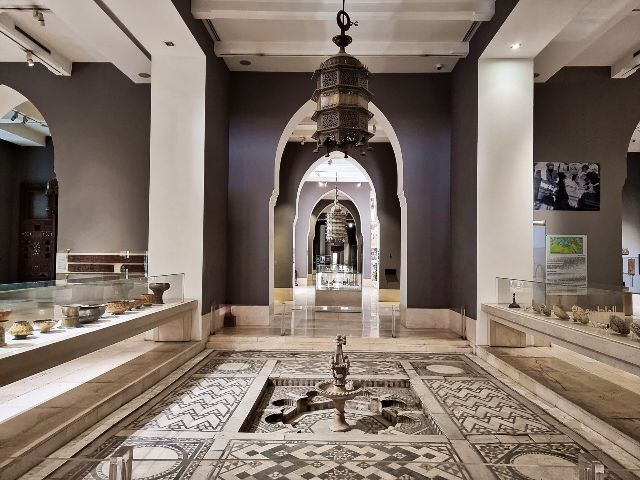
Woodwork, ceramics, glass, textiles and manuscripts share the galleries with objects connected to science and everyday life. The museum and its collection suffered damage in a 2014 bombing and reopened in 2017 after restoration. The survival of these finely made objects has become another chapter in the museum’s history.